Reliable Plumbing Services in Tacoma for Homes and Businesses
Key Plumbing Solutions: Keeping Your Home's Plumbing Systems in Top Condition
Preserving your home's plumbing systems is essential for general functionality. Residents commonly deal with typical problems like clogs, leaks, and outdated fixtures. Consistent assessments can identify these issues before they become severe. Recognizing the value of regular plumbing maintenance can bring about substantial savings and improved comfort. Yet, a large number of people are unsure of how to find the best specialist or which services truly matter. Investigating these factors can provide clarity and peace of mind for homeowners.
Common Plumbing Concerns Every Homeowner Faces
Homeowners frequently face a variety of plumbing issues that can disrupt daily life. Typical concerns involve dripping faucets, which can both waste water and contribute to higher water bills. Clogged drains represent another recurring issue, typically resulting from hair, grease, or debris blocking the pipes. Additionally, toilet malfunctions, such as constant running or improper flushing, can create significant inconvenience.
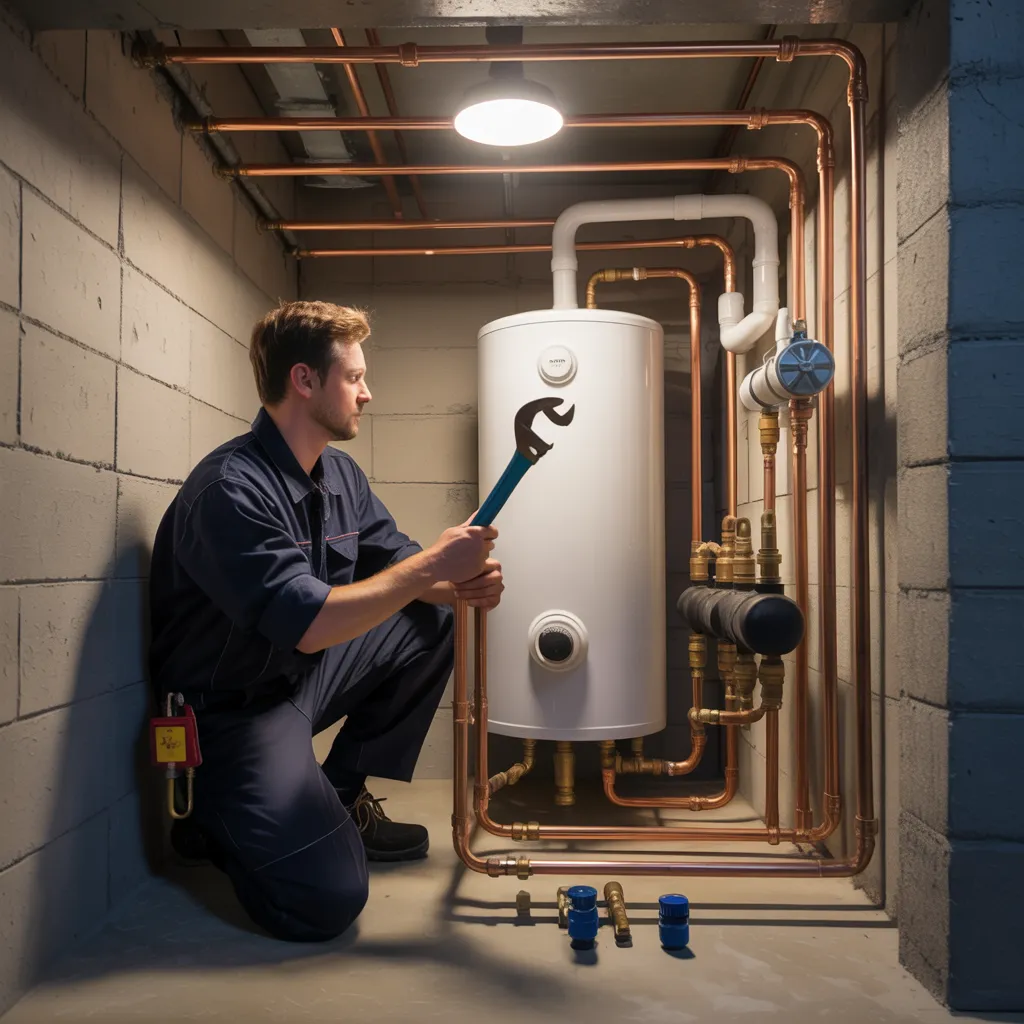
Water heater failures may result in unreliable hot water delivery, interfering with daily schedules. Moreover, burst pipes can cause extensive water damage, necessitating immediate attention. Lastly, sewer line problems can result in foul smells and possible health risks if not addressed promptly. Any of these issues, if unaddressed, can grow into more severe problems, highlighting the importance of homeowners recognizing these frequent plumbing challenges.
Why Routine Plumbing Services Are Essential for Homeowners
Routine plumbing maintenance plays a critical role in preserving the functionality of a residential plumbing system. Regular inspections and maintenance help identify potential issues before they escalate into costly repairs. By resolving minor leaks, deterioration, and obstructions in a timely manner, property owners can protect their homes from serious damage.
Furthermore, routine upkeep extends the long-term performance of fixtures and plumbing appliances, keeping them running smoothly. This forward-thinking method not only reduces costs over time but also boosts overall water quality and decreases the potential for mold and mildew growth.
Homeowners who invest in regular plumbing maintenance can benefit from peace of mind, knowing that their systems are functioning effectively. Furthermore, consistent upkeep can lead to increased property value, as potential buyers frequently seek out well-kept plumbing systems. Ultimately, routine plumbing services are a vital component of responsible homeownership.
Critical Emergency Plumbing Services Worth Knowing About
What should you do when a plumbing emergency occurs? Homeowners frequently experience panic and distress, facing issues such as burst pipes, overflowing toilets, or severe leaks. To address these issues, a number of critical emergency plumbing services are necessary. First, 24/7 emergency response is imperative, making certain that support is on hand at all times. Furthermore, water damage restoration services work to lessen the consequences of flooding, safeguarding your property and personal items. Moreover, drain cleaning services are able to resolve unexpected clogs that cause backups, delivering prompt and effective results. Leak detection services are equally important, identifying hidden leaks before they escalate into significant problems. To conclude, sewer line repairs are capable of eliminating severe health dangers by context information resolving root intrusion or pipe failures. Knowing these top emergency plumbing services equips homeowners to act swiftly and effectively when crises arise, protecting their properties and providing reassurance.
Choosing the Right Plumbing Professional
How can one guarantee they select the right plumbing professional for their needs? Commence your search by investigating nearby plumbers, giving preference to those with strong reviews and excellent ratings. A trustworthy plumber ought to hold the required licenses and insurance, ensuring adherence to local regulations and providing coverage against possible liabilities.
Also, consider their expertise and focus areas. A number of plumbers may focus on home-based work, while others direct their expertise toward commercial systems or targeted plumbing challenges. Gathering estimates from various experts can help assess costs and service offerings.
To conclude, communication plays a vital role; a good plumber should be open and friendly, prepared to respond to inquiries, and deliver transparent explanations of the work required. By following these guidelines, property owners can make an informed choice about a experienced plumbing specialist who meets their specific needs and ensures the proper operation of their residential plumbing systems.
Tips to Prevent Plumbing Issues in Your Home
Selecting the right plumber is merely the initial step in keeping a healthy plumbing system. Residents can employ a variety of proactive strategies to minimize plumbing problems. Regularly inspecting pipes for damage or wear is essential; prompt identification can prevent costly repairs. Furthermore, keeping drains clear of grease and debris will help ensure adequate water flow. It is advisable to use strainers in sinks and tubs to prevent hair and food buildup. Homeowners should also be mindful about what is flushed down toilets, avoiding items that can cause blockages. Moreover, periodic maintenance, such as checking the water heater and flushing it to remove sediment, can prolong its life. Lastly, being aware of where the main water shut-off valve is located is essential for handling urgent situations promptly. By adhering to these guidelines, property owners can greatly reduce the risk of surprise plumbing complications.
What to Anticipate During a Professional Plumbing Inspection
During a professional plumbing inspection, homeowners can expect a detailed examination of their plumbing infrastructure. Professional inspectors routinely identify typical concerns such as corrosion, leaks, and clogs, while also providing essential maintenance recommendations. This assessment not only reveals current issues but also assists in avoiding future plumbing issues.
Overview of the Inspection Procedure
A detailed plumbing evaluation is important for maintaining the integrity of a household plumbing system. Throughout the evaluation, a qualified plumber assesses a range of components, including pipes, fixtures, and appliances. The process commences with a visual assessment to uncover any evident defects, followed by pressure tests to confirm there are no leaks in the system. The inspector may also utilize advanced cameras to examine concealed pipes, providing a complete view of the plumbing system. Both water flow and drainage undergo testing to verify top-level functionality. Moreover, the licensed inspector verifies adherence to local codes and regulations. Homeowners are presented with a thorough report outlining findings, which assists with ongoing maintenance and future repairs. This preventative strategy reduces the risk of costly plumbing emergencies.
Typical Issues Discovered
Identifying common plumbing issues is a critical aspect of a comprehensive evaluation. During an assessment, technicians typically look for leaks in pipes, which can result in structural water damage and mold proliferation. Blocked drains are a common issue as well, often resulting from debris accumulation or tree root intrusion. Additionally, aging fixtures, such as plumbing fixtures, may display evidence of damage, including corrosion or rust. Inspectors also evaluate pressure levels within the water system, ensuring they fall within acceptable ranges, as both excessive and insufficient pressure can signal deeper issues. Lastly, they examine the comprehensive status of the heating unit, checking for signs of leaks or corrosion. Addressing these common issues early can prevent more extensive damage and costly repairs in the future.
Important Maintenance Tips
Regular plumbing inspections provide homeowners with important information about the condition of their home systems. During a comprehensive plumbing inspection, plumbers evaluate key components such as pipes, faucets, and water heaters. They identify leaks, blockages, and signs of corrosion, which can lead to costly repairs if neglected. Homeowners can anticipate guidance on maintaining optimal performance, including regular drain cleaning and water pressure checks. Inspectors often evaluate the overall plumbing layout to detect problems before they worsen. It is recommended to arrange inspections annually or bi-annually to ensure systems continue to function properly. By implementing these preventive measures, homeowners can increase the longevity of their plumbing and avoid unexpected emergencies.
Common Questions and Answers
How Often Do My Plumbing Fixtures Need Replacing?
Experts recommend swapping out plumbing fixtures every ten to fifteen years, depending on usage and maintenance. Periodic inspections can detect wear and tear, helping to maintain efficiency and avoid expensive repairs or water damage over time.
What Are the Indicators of Concealed Plumbing Leaks?
Common signs of hidden plumbing leaks involve water discoloration on walls or ceilings, unexpected spikes in your water bills, damp or moldy odors, and a constant sound of running water. Early detection prevents further damage and costly repairs.
Can I Use Chemical Drain Cleaners Safely?
Using chemical drain cleaners can be risky; they may damage pipes and are harmful if misused. It's advisable to follow instructions carefully or consider alternative methods for clearing clogs to guarantee safety and effectiveness.
How Can I Locate My Main Water Shut-Off Valve?
To locate the main water shut-off valve, it is advisable to search along the inner perimeter of the house, commonly found in basements, crawl spaces, or garage areas. It typically resembles a circular or lever-style valve linked to the main water supply line.
What Actions Should I Take in a Plumbing Emergency?
When faced with a plumbing emergency, one should promptly shut off the main water supply, evaluate the extent of the problem, contain any leaks with towels or buckets, and reach out to a licensed plumber for immediate assistance and repairs.