Ant Pest Professionals Big Lake
It's essential to have licensed Big Lake ant control that identifies Camponotus, Tapinoma, Tetramorium, Lasius, and Formica by physical characteristics, maps pheromone trails, and identifies moisture hotspots. Experts should follow Minnesota/EPA labels, use targeted non-repellent baits (sugar-based for odorous ants, protein and oil for pavement ants), and avoid blanket sprays that cause budding. Anticipate humidity and slab-joint inspections, precise monitoring, exclusion sealing, and detailed products, lots, and reentry intervals. Select providers verified in MDA's database. Keep going for signs, methods, and contractor screening.
Main Highlights
- Select certified, insured providers who specialize in Big Lake pest varieties (Camponotus, Tetramorium, Tapinoma, Lasius) and follow EPA and Minnesota guidelines.
- Ask about inspection procedures: pest identification, trail mapping, moisture diagnostics, and precise monitoring with detailed follow-up inspection plans.
- Confirm integrated pest management methods: proper cleaning, pest-proofing, targeted bait systems and environmentally-conscious non-repellent treatments; steer clear of widespread perimeter applications.
- Require data-backed outcomes: rodent bait tracking, location mapping, adjustment trigger points, and detailed location and lot number records.
- Verify safety measures for children and pets: using tamper-resistant bait stations, low-volatility gels, safe reentry timeframes, and resistance prevention through alternating treatment compounds.
How to Spot an Ant Infestation in Big Lake
Spot warning signals to avoid a major colony. You'll observe linear trails along baseboards or countertops as ants follow pheromone routes to food. Monitor garbage areas for feeding ants; frequent sightings points to a nearby nest. Search for fine, gritty "frass" or displaced soil around slab cracks, window frames, or porch edges-proof of digging. Listen for soft rustling sounds in walls during warm seasons. Investigate under sinks and behind appliances for damp-seeking species. In exterior areas, trace ants along foundations, tree roots, and expansion joints.
Document time-based data and figures; periodic increases point to protein or sugar recruitment. Photograph specimens for classification within family (Formicidae) and subfamily characteristics. If treatment is necessary, follow Minnesota pesticide labels and IPM best practices: hygiene, prevention, selective baiting, and regulated applications.
Prevalent Ant Types in Big Lake and Their Invasion Patterns
You'll discover various ant types in Big Lake-such as Camponotus (carpenter ants), Lasius (moisture ants), and Tetramorium (pavement ants)-each showing distinctive characteristics and activities confirmed by area extension research. They invade looking for food, water, and shelter, with activity rising during spring mating flights and late-summer water scarcity, which change their feeding territories into buildings. You should identify the ant type before control measures and follow Minnesota and EPA label directions to coordinate treatments or applications to their life cycle and seasonal patterns.
Common Ant Species in Big Lake
When it comes to identification and management, the prevalent ant species you'll notice in Big Lake are odorous house ants (Tapinoma sessile), pavement ants (Tetramorium immigrans), carpenter ants-mainly Camponotus modoc and C. vicinus-and periodic visitors like field ants (Formica spp.) and thief ants (Solenopsis molesta). You can spot odorous house ants by their characteristic coconut-like odor when crushed; pavement ants feature grooved head and small crater mounds. Carpenter ants possess a single node, evenly rounded thorax, and polymorphic workers; they're the primary structural threat. Field ants refrain from indoor nests but range broadly. You'll notice thief ants have their tiny size, pale coloration, two nodes and recessed eyes. When implementing management strategies, ensure proper identification using university keys and adhere to Minnesota Department of Agriculture and EPA guidelines.
Why Ants Enter Your Home
From spring thaw through late fall, Big Lake ants search for nesting locations, water, and food sources, and different species target distinct vulnerabilities in residential structures. You'll see foraging trails develop when Formica and Lasius workers find carbohydrate sources; sweet substances attract workers to food residue, animal feed, and insect secretions. Carpenter ants (Camponotus) seek out damp structural wood; excess ground water and plumbing issues align with their nesting preferences. Pavement ants (Tetramorium immigrans) enter through slab cracks to harvest proteins and seeds. Odorous house ants (Tapinoma sessile) establish colonies in landscaping materials or wall cavities, relocating nests when humidity rises. Following label directions and Minnesota structural pest regulations, you should identify species, address contributing factors, and use targeted baits suitable for specific ant species and their colonies.
Seasonal Infestation Patterns
Common pest infestations in Big Lake typically follow predictable seasonal patterns: Camponotus pennsylvanicus (carpenter ants) begin spring foraging after specific degree-day thresholds and target water-damaged wood; Tapinoma sessile (odorous house ants) multiply quickly in early-summer humidity, moving between mulch and wall voids; pavement ants (Tetramorium immigrans) increase activity near slab joints during late spring through mid-summer, collecting proteins and seeds; and Lasius and Formica species increase their carbohydrate foraging during peak aphid honeydew production. As spring arrives, colony activity intensifies with emergence from winter quarters, brood production, and pursuit of moisture and macronutrients. Always identify species correctly before treatment, as misidentification leads to poor bait choices. For carpenter ant issues, address moisture problems first. When managing odorous house ants, remove mulch-structure bridges. Comply with Minnesota and EPA standards for residual applications and baits, apply perimeter treatments strategically, and conduct post-rain evaluations.
Expert Diagnostic and Inspection Techniques
Before initiating treatment, a professional assessment identifies the ant varieties, nest placement, and conducive circumstances via standardized evaluation techniques. Trained specialists document key anatomical features - examining antenna segments, node configuration, and thorax shapes - to differentiate between Formicinae and Myrmicinae and identify invasive species. They map ant activity using protein and sugar-based attractants, and validate identifications via microscopic examination and area-specific guides.
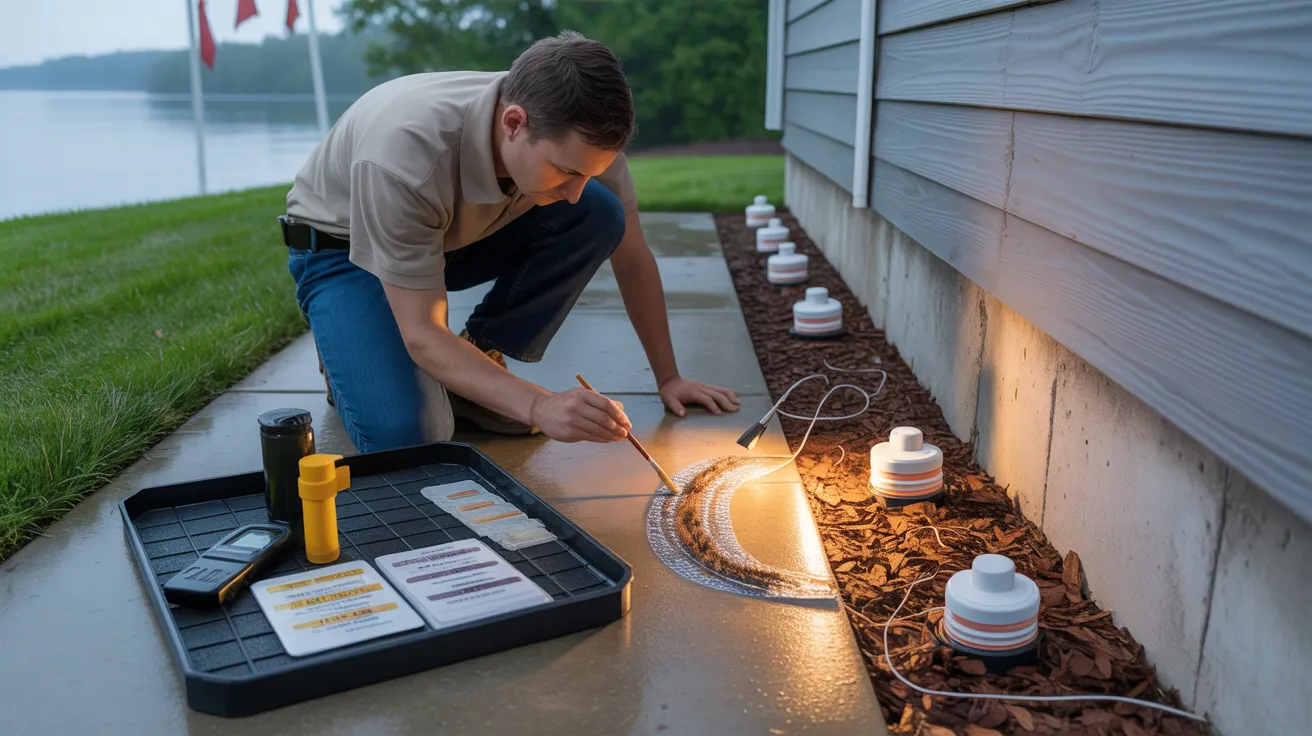
For indoor inspections, technicians utilize humidity mapping to locate moisture gradients that indicate nest sites in building cavities, crawl spaces, and concrete interfaces. In outdoor assessments, professionals conduct perimeter surveys, analyze soil conditions, and evaluate structural entry points, logging findings in compliance with state and federal regulations. Professionals analyze structural and hygiene factors, establish monitoring schedules, and deploy non-baited interceptors distinct from bait stations to avoid interference, confirming that diagnostics guide lawful, focused treatment decisions.
Safe and Effective, Earth-Friendly Solutions That Work
After pinpointing the problem, treatment focuses on safe intervention methods that utilize ant biology and follow Washington State and EPA label requirements. We must coordinate treatment approaches to particular ant types: Argentine (Linepithema humile) and odorous house ants (Tapinoma sessile) are effectively controlled by slow-acting environmentally safe baits with carbohydrate matrices; pavement ants (Tetramorium immigrans) prefer protein/oil baits; carpenter ants (Camponotus spp.) require non-repellent transfer agents.
You'll establish bait applications along foraging trails and near colony centers, adhering to label rates and avoiding broadcast misuse. For direct control, you can utilize botanical treatments containing rosemary, clove, or geraniol where labels permit; these interrupt octopamine receptors yet break down quickly. For structural voids, target non-repellent microencapsulates or dusts in accordance with WSDA rules. You'll alternate active ingredients to prevent bait aversion and record every treatment location and timing.
Protecting Kids, Pets, and Sensitive Spaces During Service
Once you've aligned baits and non-repellents to different ant varieties, you need to carefully plan treatments to safeguard children, pets, and sensitive areas while preserving treatment potency and following label requirements. Map and identify ant trails by species - such as pavement, odorous house, and carpenter ants - then confine product application to secluded locations. Utilize child-resistant products with taste deterrents, tamper-resistant stations, and low-volatility gels for indoor problem spots. Save widespread spray treatments for outside parameter zones, while following reentry periods and ventilation guidelines as indicated on product labels.
Execute pet-safe timing: provide treats when children are at school and pets are secured, then check dry time and station security before allowing pets back. Protect cribs, food stations, aquaria, and medical equipment; establish exclusion zones as directed by the SDS and EPA label. Log lot numbers, locations, and contact times. Remove residues following local hazardous-waste guidelines.
Long-Term Prevention and Maintenance Strategies
Once the pest problem resolves, establish a maintenance schedule that addresses the pest types most prone to reinvasion and adheres to regulatory requirements and label instructions. Set inspection intervals based on species lifecycle: treatments every 90 days for Camponotus (carpenter ants), warm-weather monitoring each month for Tapinoma sessile (odorous house ants), and biannual monitoring near moisture-prone areas. Maintain records for check stations, bait station locations, and restricted pesticide usage.
Focus on habitat modification: get rid of aphid‑harboring plants, prune branches bridging to siding, repair moisture intrusions, and place firewood above soil. Merge perimeter sealing with exclusion-screen weep holes, gasket utility penetrations, and repair thresholds for the purpose of interrupting foraging trails. Employ targeted baits suited to trophic preferences; rotate active ingredients in order to manage resistance. Calibrate exterior residuals to label‑allowed band widths and setbacks away from water. Confirm success with bait card counts and trail mapping.
Finding a Reliable Big Lake Ant Control Company
Be sure to validate proper licensing, insurance, and professional credentials (for example) ESA or state pesticide applicator credentials to confirm professional standards and regulatory adherence. Focus on specialists with established track record in identifying regional ant varieties common to Big Lake— including carpenter ants (Camponotus spp.) and pavement ants (Tetramorium immigrans), because correct ant species identification affects treatment success. Ask for EPA registration information, product documentation, and comprehensive pest management strategies that emphasize least-toxic, targeted methods with ongoing monitoring and resistance prevention.
Certifications and Licensing
Before hiring any Big Lake ant control service, verify they have a current Minnesota Department of Agriculture (MDA) Structural Pest Control license and the pest control specialist maintains the proper Commercial Applicator or Technician certification. You must also check insurance and a written service record. These requirements assure legal product use, label compliance, and responsibility.
Inquire which ant taxa they're qualified to treat, including Camponotus (carpenter), Lasius, Tetramorium (pavement), and Tapinoma sessile, as proper identification influences bait strategy, exclusion techniques, and residual application locations. Ask for evidence of professional development; MDA-sanctioned education ensures pros stay current on preventing resistance, safer treatment alternatives, and pest management best practices.
Professional certification perks encompass formal instruction in inspection guidelines, proper pesticide measurements, reentry intervals, and environmental protection measures surrounding aquatic areas and water supplies. Validate professional licenses via MDA's online verification system and align provided services with authorized service areas.
Local Knowledge Makes a Difference
Despite attractive marketing claims, a reliable Big Lake ant control provider proves their worth through in-depth local expertise of species, seasonal patterns, and regulations. It's important to ask about how they identify Tapinoma sessile (odorous house ants), Formica spp., and Camponotus spp. through morphological features and nesting patterns, and when peak activity occurs with Big Lake's unique lake-effect moisture and seasonal thaw timing. Verify their compliance with municipal regulations regarding outdoor applications, treatment boundaries, and watershed safeguards, and ensure they comply with Minnesota Department of Agriculture guidelines.
Evaluate their community knowledge: do they document trail routes reported by community supervisors, marina operators, and grounds staff? Robust community partnership indicates they identify frequent pressure points-coastal barriers, tree buffers, and foundation spaces. Pick teams that record site-specific conditions, utilize local information, and modify monitoring trajectories across local ecosystems.
Proven Safety Methods
As safety and effectiveness are determined by method selection, favor Big Lake specialists who focus on species-specific strategies and integrated pest management (IPM) validated by peer-reviewed data. Inquire how they handle ant species identification including Lasius neoniger, Tapinoma sessile, or Camponotus pennsylvanicus, because foraging habits affect the choice of bait, timing, and positioning.
Expect a comprehensive strategy that prioritizes environmental changes (including exclusion, moisture management, and sanitation) before applying chemicals, and uses natural deterrents exclusively where data confirms their application. Make sure they implement minimal-risk baits with slow-acting toxicants for colony elimination, not broad-spectrum sprays that promote colony fragmentation in odorous house ants.
Confirm compliance with labels, Minnesota licensing requirements, and EPA/WSDA registration details. Request documentation of key components, warning labels, pest categories, and inspection schedules. Require monitoring schedules and treatment adjustment triggers, rather than standard widespread treatments.
Popular Questions Answered
What Are the Standard Costs for Ant Control in Big Lake
The cost of ant control in Big Lake varies between $150-$450 for standard treatments, with typical costs running around $250-$350 per service. Treatment costs vary by species-carpenter ant elimination commands higher prices due to potential property damage and necessary follow-up visits. Integrated pest control approaches and targeted baiting systems provide optimal control while adhering to Minnesota pesticide requirements. Don't forget to ask about special seasonal rates, service guarantees, and maintenance timing. Ongoing treatment plans and outdoor prevention measures can lower total expenses and prevent future ant problems.
What's the Timeframe for Service Scheduling and Completion?
Operating like a finely-tuned machine, you can typically schedule service with same-day availability, and professionals typically resolve the issue within 1-2 hours at your property. After verifying ant taxonomy (Formicinae vs. Myrmicinae) through detailed assessment, they utilize EPA-registered pest control products following state guidelines and product specifications. You'll notice initial results the same day; total colony suppression typically follows within one to two weeks, with additional service planned according to product reentry intervals and warranty conditions.
What About Guarantees and Follow-Up Services
Indeed. You are provided with a satisfaction guarantee linked to measurable outcomes (elimination of active ant trails, reduced foraging). If activity remains within the warranty period, we deliver free follow up inspections, focusing on the identified taxa (e.g., Formicinae vs. Myrmicinae) with targeted solutions. We document bait acceptance and colony reaction, then implement additional measures per label instructions and state protocols. You'll be provided with documented findings, product SDS sheets, and guidelines to avoid reinfestation under the same guarantee.
Need Urgent Ant Control? Ask About Same-Day Service
Immediate and same-day ant treatments are available with rapid response for urgent removal. Upon finding ants swarming in your living space, our team comes out immediately to assess the type of ants (such as Tapinoma sessile versus Camponotus spp.) and deploy targeted treatments. We comply with EPA-registered labels, Minnesota regulations, and IPM protocols, carefully monitoring infestation levels and sealing entry points. We provide click here comprehensive documentation, reinspection timeline, and protection strategies.
How Does Treatment Influence Insurance and HOA Guidelines?
Getting professional ant treatment usually won't interfere with insurance coverage or homeowner association rules when you adhere to standard protocols. Make sure to examine your policy terms regarding coverage limits and exclusions. Insurers typically mandate professional services using EPA-approved products and maintained treatment logs. HOAs frequently specify certified vendors, application schedules, and access requirements. Keep records of treatment receipts, chemical details, and SDS documentation. When fixing damage, secure required permissions and validate service provider certifications to stay compliant.
In Conclusion
You've discovered how to detect ant problems, differentiate between varieties such as Odorous House Ants (Tapinoma sessile) and Carpenter Ants (Camponotus spp.), and perform inspections that align with IPM best practices. Why compromise when environmentally-friendly baits, precise non-repellents, and barrier methods meet state and EPA regulations? You'll protect children, pets, and sensitive areas by adhering to label instructions, re-entry intervals, and PPE protocols. Choose a licensed, insured Big Lake specialist, verify product labels, and schedule preventive monitoring to prevent ant problems permanently.